
WATCH | Repatriation bid collapses as hundreds of Malawians remain stranded in PMB
The crisis follows a deadly attack at Jika Joe informal settlement on Friday, in which a 29-year-old Malawian man was killed.
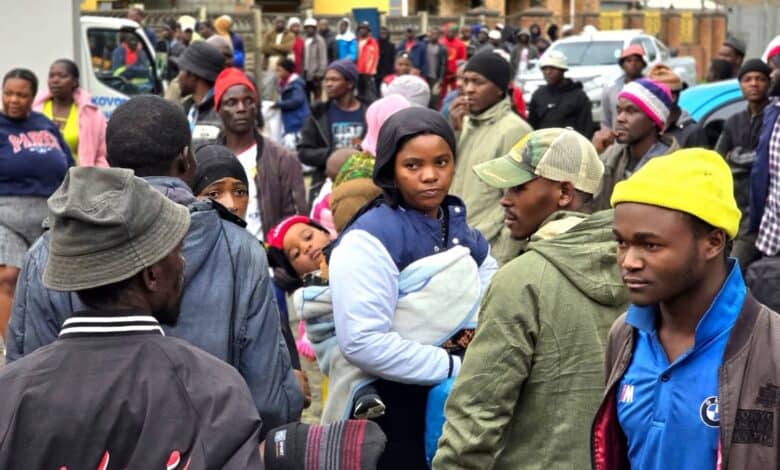

Hundreds of displaced undocumented Malawian nationals in Pietermaritzburg remain stranded after an attempt to transport them to Durban for repatriation failed, forcing many back to an overcrowded temporary shelter and worsening an already fragile humanitarian situation.
ALSO READ | WATCH | Numbers surge as stranded Malawians in PMB beg for transport home
The crisis follows a deadly attack at Jika Joe informal settlement on Friday, in which a 29-year-old Malawian man was killed and several others injured after a group of people turned on foreign nationals.
The violence followed allegations that a foreign national had attacked a local resident, triggering panic and prompting more than 700 foreign nationals to flee for safety.
On Saturday night, about 200 Malawian nationals believed they were finally on their way home when they boarded 10 buses arranged through a joint effort by Pietermaritzburg businesses, residents, the Msunduzi Municipality and the Malawian Embassy.
However, their journey was cut short in Durban after they were told there was insufficient capacity to accommodate them, forcing three buses to return to Pietermaritzburg.
ALSO READ | Hundreds of Malawians bussed from Pietermaritzburg to Durban
Humanitarian organisations said about R200 000 had been raised by businesses and residents for the transport, describing the failed relocation as a major setback.
Councillor Suraya Reddy, whose ward includes Jika Joe, said the situation had left her at a loss for words.
By Sunday, the temporary shelter had become increasingly strained as more displaced people arrived.
Msunduzi Municipality Speaker Eunice Majola, who had been at the site since morning, warned that the situation was rapidly becoming unsustainable.
ALSO READ | Displaced Malawians plead for help after deadly violence in Pietermaritzburg
“When the buses left on Saturday, there were only about 100 people remaining here, but many have now returned and others continue to arrive,” said Majola.
Our concern is that this site does not have proper ablution facilities or running water. Water tanks have been provided and arrangements are being made for sanitation, but this is not a suitable long-term solution.
She said the municipality was discussing ways to deal with the growing crisis.
By mid-afternoon, more than 500 additional people had arrived, some travelling from areas as far as Howick and other surrounding towns, all hoping to secure transport back to Malawi.
ALSO READ | WATCH | March and March leaders call for ‘repatriation grounds’
Conditions inside the shelter are deteriorating. Broken windows expose families to the winter cold, while men, women and children share cramped spaces.
Pregnant women and young children sleep on thin mattresses, and waste is beginning to accumulate, raising health concerns.
Some rooms do not even have roofs. For many, the failed journey has been devastating.
“I thought I was finally going home,” said one man who fled Jika Joe during the violence.
ALSO READ | WATCH | Man stoned to death after chaos erupted at Jika Joe, Pietermaritzburg
I ran for my life and left everything behind, taking only what I could carry. When the bus left the city, I felt safe for the first time. But being turned away broke me. Now we are back here and we don’t know what will happen next.
Despite the hardship, community members, businesses and humanitarian organisations continue to provide food and water, prioritising women and children.
However, tensions are rising among nearby residents, some of whom have raised concerns about safety and sanitation.
“The area is dirty and noisy, even at night. Our children are scared. We hope government will find a solution to this soon,” said one resident.
ALSO READ | WATCH | Protesters take to PMB streets as March and March gains momentum
Displaced residents said they had little choice but to flee.
“We saw people being beaten with sticks. Even children witnessed it. We couldn’t stay,” said one woman.
Some said they had been warned weeks earlier to leave the area before June 30 amid growing hostility. Many are now destitute, having fled without belongings or income.
There is no work. Some of us were already struggling after being chased from jobs and businesses. We cannot even afford to get to Durban, let alone back home.
Msunduzi Municipality IFP councillor Shamieel Alliy said the group that returned from Durban had been angry but was eventually calmed.
ALSO READ | Health crisis looms as thousands of migrants remain stranded at Sherwood
He said while local businesses were assisting with food and water, the long-term solution was for the group to leave the city and return to Malawi.
“We want them to leave our city and government needs to act. I also don’t understand why these undocumented foreign nationals are not being processed the same way as in Durban. The decision to bus them there was not properly co-ordinated between the two cities, and now we are in this situation,” he said.
We are doing our best to ensure they have food and are safe, because we would want South Africans to be treated with kindness in other countries. But this situation cannot continue — this place cannot become a refugee camp.