Lion Park residents face a long and costly wait for electricity
More than 1 400 households in the Lion Park area, who were getting electricity through a sprawling illegal network, now face a long and potentially costly road back onto the grid.
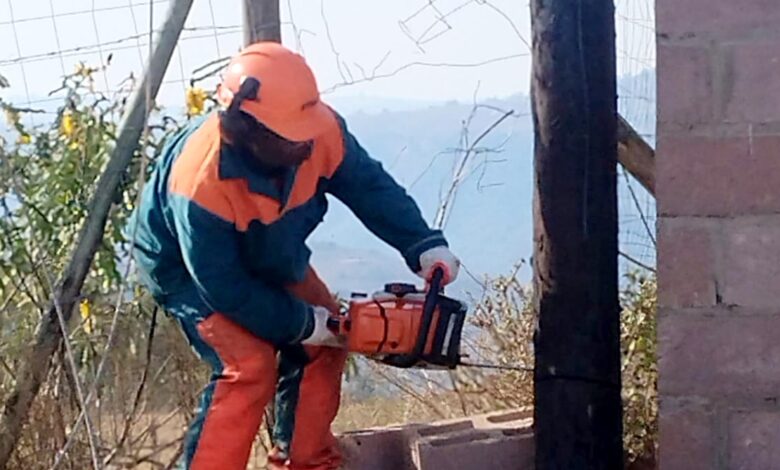

More than 1 400 households in the Lion Park area, who were getting electricity through a sprawling illegal network, now face a long and potentially costly road back onto the grid.
Eskom recently ripped out the unauthorised network, removing more than 20 000 metres of aluminium and bundled conductors, 49 transformers, tonnes of illegally installed poles and other infrastructure connected to the national grid without permission.
But for residents, the problem does not end there.
Before legal electricity can flow again, a raft of applications, approvals and land-use processes must still be completed. And because Lion Park has not been rezoned from agricultural to residential use, Eskom says taxpayers cannot fund the electrification.
ALSO READ | Msunduzi rejects criticism as tensions rise over electricity tariff methodology
That leaves residents with one option for now: pay for the new legal network themselves.
The power utility disconnected the informal system two weeks ago after several attempts to reach an agreement with residents to formalise their supply and pay for the electricity they consumed.
Eskom said the illegal connections posed serious safety risks and caused significant financial losses.
Eskom spokesperson Dadewabo Mbele said the disconnection operation was the culmination of intensive stakeholder engagement and careful planning.
Forty-nine transformers, tonnes of illegally installed poles, and other electricity infrastructure were also removed. Since the Lion Park area has not been re-zoned from agricultural to residential land use and remains under the legal ownership and control of Trust (Amaqamu), Eskom is not legally able to electrify the area through a government-funded electrification programme.
“Any such programme is subject to prescribed legislative, planning and governmental approval processes, which must first be concluded before public funding can lawfully be considered or allocated. As a result, the only viable and legally permissible option currently available is the implementation of a customer-funded electrification scheme,” said Mbele.
ALSO READ | Msunduzi targets electricity and water theft with new transfer rules
She said Eskom had prepared draft estimated quotations to assist the Trust in pursuing that option.
The estimated quotations are based solely on an assessment of the properties using aerial imagery. To proceed further, as the legal custodians of the land, the Trusts are required to submit formal applications to Eskom.
“Upon receipt of the applications, Eskom will conduct the necessary assessments, issue formal quotations, and provide implementation timelines, subject to acceptance of the quotations and payment of the required charges,” she said.
Mbele added that the Trust would also have to grant Eskom access to reticulate the area by signing the necessary wayleave and servitude agreements.
For residents, that means there is no quick switch-on.
They must first get through the required processes, secure the necessary approvals and then pay the costs attached to the legal connection before Eskom can give them an implementation timeline.
ALSO READ | WATCH | PMB residents march over year-long electricity outage
In the meantime, many households are trying to survive without electricity.
Bongeka Xaba, a single mother of two children aged four and 11, said the sudden loss of electricity had plunged many families into financial hardship.
“Some people have managed to install solar panels, but many of us could not afford to do that,” she said.
The electricity disconnection was not something people had budgeted for. Life has become very difficult because we still need power for cooking, lighting and keeping food fresh.
Xaba said households were now having to make difficult choices as they tried to cover the cost of alternative energy while still paying for their daily living expenses.
Resident Pat Msimango said the disconnection had left many families counting their losses after food stored in fridges and freezers spoiled.
ALSO READ | Ongoing power outage causes chaos in PMB CBD
“When the electricity went off, we lost groceries that had been stored in our fridges and freezers. Replacing that food is expensive, especially for families that are already struggling,” he said.
For Msimango, the consequences have been even more severe, as he is the primary caregiver for his seriously ill brother, who depends on an electrically powered breathing machine to stay alive.
Without a reliable electricity supply, he said he has been forced to constantly search for alternative power sources to keep the life-support equipment running.
My biggest worry is making sure the machine keeps working. My brother’s life depends on electricity, and every power outage becomes an emergency for us.
He added that while some residents had managed to buy generators or install solar systems, many households simply could not afford the upfront costs.
ALSO READ | GBV survivors left without critical services as LifeLine hit by power outage
Mlungisi Khanyezi, chairperson of the Azibuye Emasisweni Amaqamu Trust, said the community believed it had acted in good faith and had always wanted a legal electricity supply.
He said residents had collectively spent about R30 000 per household to have the electricity infrastructure installed by professional electricians, only to see it dismantled.
“Each household paid about R30 000 to have electricity in our houses. We did not disregard the law. We, as the community, and not as a Trust, have been requesting Eskom to install electricity, and paying for the service has never been an issue for us.
“Can we build these houses if we can’t afford to pay for an essential service like electricity? All we want is to be able to lead a normal life. We are now sitting with a R37 000 quotation per household for Eskom to connect us to its grid. We find this strange because last year the same Eskom gave the community a R6 000 quotation per household to give us a bulk installation,” said Khanyezi.
He said Eskom had agreed to meet with the community next week.
Asked about the quotation of R37 605 per household for a legal electricity connection, which The Witness has seen, Mbele declined to confirm the amount.
ALSO READ | How much of your salary is going to food, fuel and electricity?
“I’d rather have you ask the Trust or the community to give you the quotation Eskom gave them. We cannot divulge such information.”