Benny the penguin returns to the wild after rescue on South Coast
Benny was found stranded on the lower South Coast after being spotted by members of the public and rescued through the KZN Stranding Network.
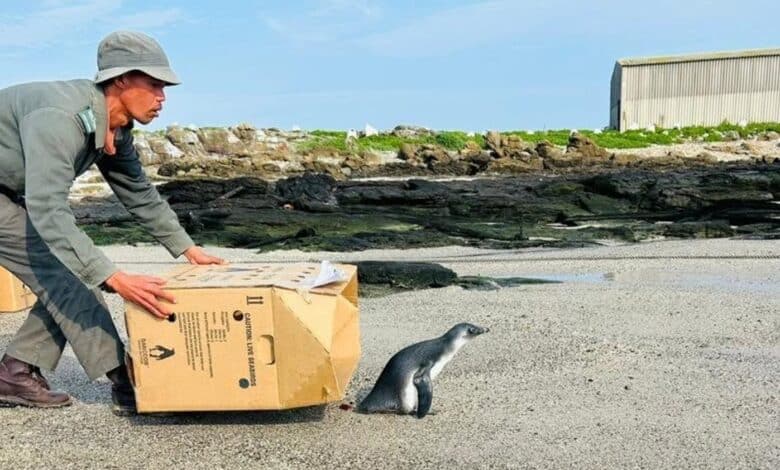

A critically endangered African penguin rescued from the KwaZulu-Natal South Coast has been successfully released back into the wild after weeks of rehabilitation and specialist care.
Benny, a juvenile African penguin, returned to the ocean over the weekend after being nursed back to health by teams at the South African Association for Marine Biological Research (SAAMBR) and the Southern African Foundation for the Conservation of Coastal Birds (SANCCOB).
The penguin was found stranded on the lower South Coast in May after being spotted by members of the public and rescued through the KZN Stranding Network.
ALSO READ | End of an era as iconic uShaka brindle bass Stanley dies
According to SAAMBR, Benny arrived in poor condition.
“In May, through the incredible collaboration of our KZN Stranding Network partners and friends, we received a very skinny, dehydrated juvenile African penguin who had been found stranded on the lower South Coast.”
Initially named Ben by rescuers, the bird was later renamed Benny after DNA testing revealed she was female.
SAAMBR said its animal care and veterinary teams spent two weeks helping Benny regain her strength.
“She arrived weighing only 1.5 kg, and by the time she was ready for the next stage of her journey, she was a strong, energetic 2.7 kg penguin,” the organisation said.
After recovering in Durban, Benny was transferred to SANCCOB in Gqeberha for final rehabilitation and preparation before her release.
SAAMBR assistant curator for mammals and birds, Kelly de Klerk, said Benny was released alongside other rehabilitated penguins.
“Benny did not enter the ocean alone but in a mixed group of adults and juveniles who had also needed to spend time in human care,” said De Klerk.
Rehabilitated African penguins are released in these mixed groups to ensure the inexperienced juveniles are taught social cueing, confidence and how to navigate the transition from human care to life in the ocean with relative ease.
ALSO READ | ‘More budget cuts would sink uShaka’, says association
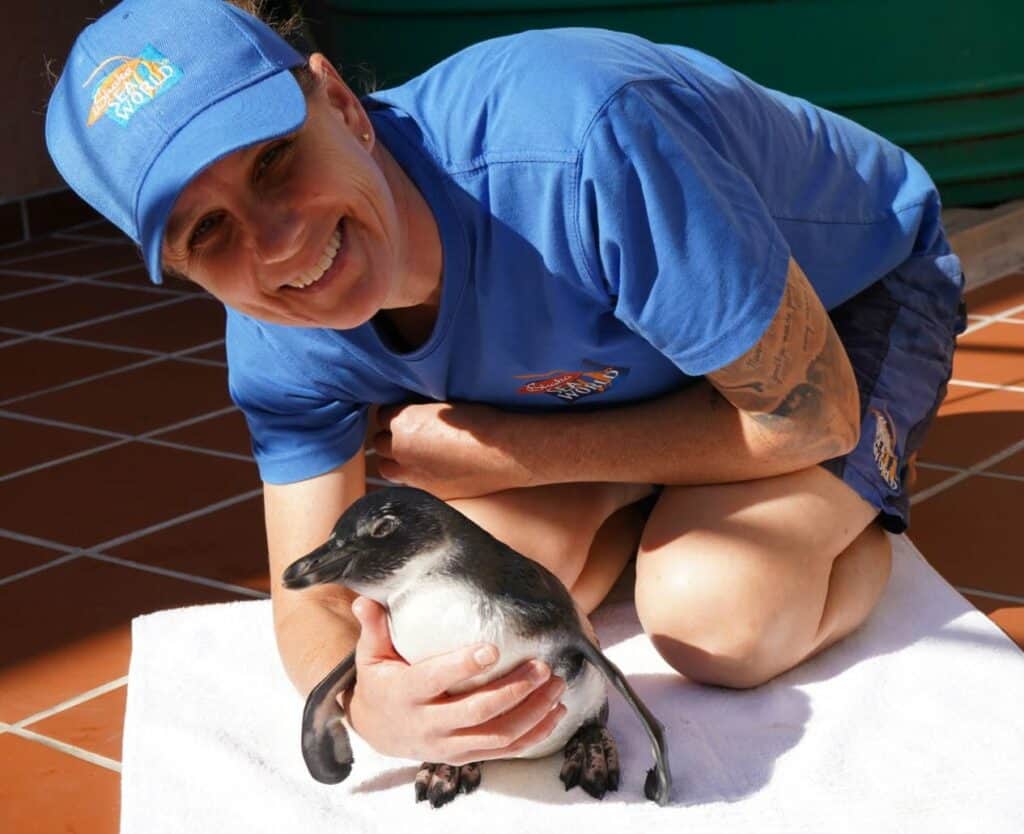
SAAMBR said Benny’s story highlighted the importance of collaboration between conservation organisations, rescuers and members of the public.
“Benny’s story is a wonderful reminder of what is possible when caring people work together.”
The organisation thanked everyone involved in her rescue and recovery, including the KZN Stranding Network, SANCCOB and the veterinary and animal care teams who helped nurse her back to health.
It has been said that it takes a village to raise a child, and more recently to rescue and rehabilitate critically endangered African penguins. This was certainly true in Benny’s case and we are truly grateful to everyone who played a role in her journey back to the ocean.
“Go well Benny.”
Critically endangered species
ALSO READ | Carers optimistic over surviving turtles
Benny’s release comes amid growing concern for the future of African penguins, which are classified as critically endangered.
According to the International Fund for Animal Welfare (IFAW), fewer than 19 800 mature African penguins remain worldwide, including about 9 900 breeding pairs.
The population has declined dramatically over the past several decades, from an estimated 141 000 breeding pairs in 1956 to just 17 700 pairs in 2019.
IFAW warns that, if current trends continue, the species could face extinction within the next decade.
African penguins rely heavily on colony life and cooperative behaviour to survive.
Breeding pairs share responsibilities such as incubating eggs, protecting chicks and searching for food, while young birds gather together for protection from predators and harsh weather.
Conservationists say stories such as Benny’s demonstrate how rehabilitation efforts can help individual birds survive, but stress that broader conservation measures remain essential to secure the future of the species.