South Africa and Google Cloud forge partnership to drive Africa’s digital future
Ramaphosa described the event as a defining moment not only for South Africa, but for Africa’s role in the global digital economy.
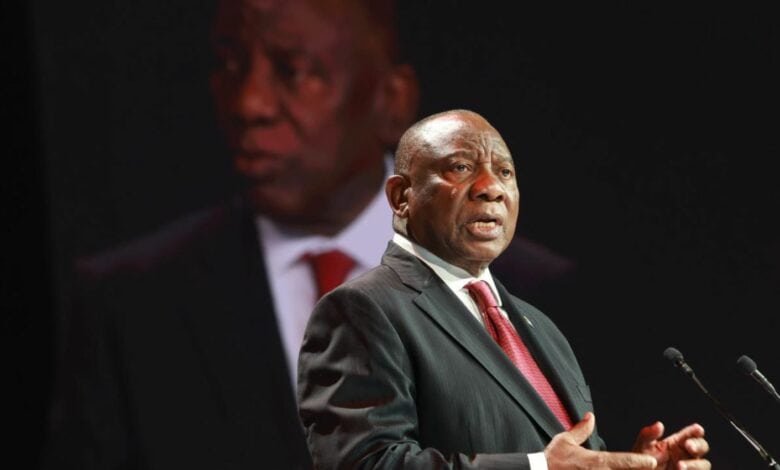

South Africa is positioning itself at the forefront of Africa’s digital transformation through a deepening partnership with Google Cloud, a collaboration President Cyril Ramaphosa said aims to unlock new opportunities for economic growth, job creation and technological innovation across the continent.
Addressing the first-ever Google Cloud Summit to be hosted in Africa on Wednesday at the Sandton Convention Centre, Ramaphosa described the event as a defining moment not only for South Africa, but for Africa’s role in the global digital economy.
“Cloud computing and artificial intelligence will power the economies of the twenty-first century,” Ramaphosa said, adding that Africa’s ambition is not simply to participate in the digital future, but to help shape it.
ALSO READ | Google Doodle celebrates Winter Olympics
The summit marks a significant milestone in the relationship between South Africa and Google Cloud, bringing together government, business leaders, innovators and technology experts to explore the next wave of cloud and AI-driven growth.
Ramaphosa said South Africa already has strong foundations to position itself as a global technology hub, citing its sophisticated financial sector, world-class universities, advanced engineering expertise and mature regulatory environment.
Combined with Google Cloud’s global reach and technological capabilities, these strengths position the country to accelerate digital transformation across industries and public services.
The president said cloud technology and artificial intelligence have the potential to become powerful tools for inclusive economic growth, enabling businesses of all sizes to compete more effectively in a rapidly evolving global economy.
The partnership is expected to support the growth of small and medium-sized enterprises, lower the cost of accessing advanced digital infrastructure and create new opportunities for entrepreneurs who have traditionally faced barriers to entering the formal economy.
“Technology will unlock entirely new industries, improve the competitiveness of existing firms and create opportunities for thousands of entrepreneurs,” Ramaphosa said.
ALSO READ | Google marks Dictionary Day with new African language terms
Central to the government’s vision is the belief that digital infrastructure must serve as a catalyst for job creation and economic inclusion.
The president said investments will be announced during the summit that are expected to stimulate employment, strengthen South Africa’s competitiveness and help build a more resilient digital economy.
Google’s commitment to expanding cloud capabilities in South Africa comes at a time when demand for cloud services and AI solutions is growing rapidly across the continent.
South Africa already hosts around 70% of Africa’s hyperscale data centre capacity and remains the continent’s largest cloud market, making it a natural gateway for digital innovation.
However, Ramaphosa stressed that the country’s ambitions extend far beyond hosting data centres.
“Our ambition is to build companies, produce researchers, commercialise African ideas and create intellectual property that competes globally.”
The partnership is expected to accelerate the adoption of cloud and AI technologies across both the private and public sectors.
Government sees opportunities to modernise healthcare, education, transport, energy management and public service delivery through digital innovation.
Potential applications range from AI-powered disease prevention and climate research to smarter energy grids and precision agriculture. In education, cloud-enabled learning platforms could bring world-class digital content directly into classrooms, helping bridge gaps in access and quality.
ALSO READ | Google Cloud celebrates first cloud region in Africa
Ramaphosa stressed the importance of digital sovereignty, calling for collaboration between government and technology providers to develop local capabilities while safeguarding citizens’ data and rights.
He welcomed Google’s commitment to AI training and digital literacy programmes aimed at equipping young people with the skills needed for future workplaces.
The goal, he said, is to ensure that South Africans become creators of technology rather than simply consumers.
Ramaphosa said Africa has a unique opportunity to leapfrog traditional development pathways and become a leading force in the digital age.
“For far too long, Africa has had to play digital catch-up,” he said. “We are now presented with a unique opportunity to be in the driving seat of our own industrialisation and growth.”