
Court closes reopened Mxenge murder inquest
The judge said that the matter had already been fully ventilated through criminal proceedings and the TRC process.
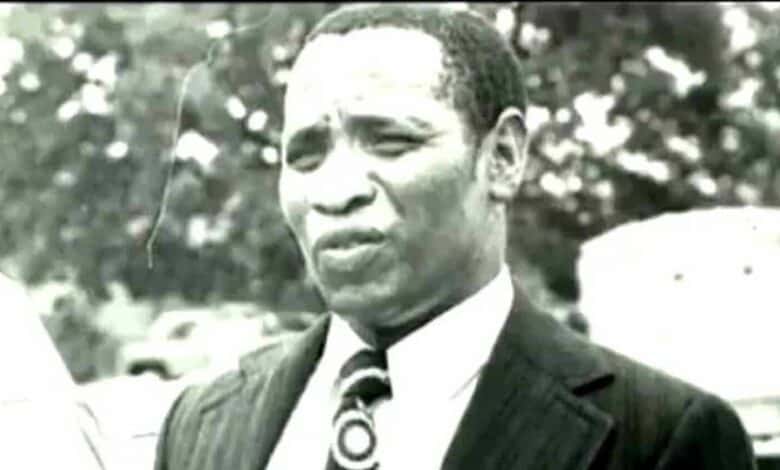

Pietermaritzburg High Court Judge Pieter Bezuidenhout has closed the reopened inquest into the 1981 murder of anti-apartheid activist and human rights lawyer Griffiths Mxenge, finding that no further evidence can be led once criminal proceedings have been instituted.
Handing down judgment on Monday, Bezuidenhout ruled that once criminal proceedings have been instituted, whether following an inquest or at a later stage, a reopened inquest cannot hear additional evidence.
“I find that once criminal proceedings have been instituted irrespective if it was as a result of an inquest or at a later stage no further evidence can be led at a reopened inquest. The reopened inquest is accordingly closed,” he said.
ALSO READ | No lawyers for former apartheid security branch members delay Mxenge inquest
The judge said that the matter had already been fully ventilated through criminal proceedings, the Harms Commission, and the Truth and Reconciliation Commission (TRC) process.
He said there had been full disclosure before the TRC about where the instructions to kill Mxenge came from, how the murder was carried out, and that those responsible had been prosecuted.
“The fact that amnesty was granted doesn’t make that criminal trial null and void,” Bezuidenhout said.
He also found that the state had not indicated that it possessed further evidence that could implicate any other individuals.
The inquest into Mxenge’s death was officially reopened in April last year but was twice adjourned because of issues relating to the legal representation of former police officers and witnesses.
It was the first time in South African legal history that an inquest had been reopened after a criminal trial.
Three former security policemen — former Vlakplaas commander Dirk Coetzee, Almond Nofomela and David Tshikalange — were convicted for Mxenge’s murder but were later granted amnesty by the TRC.
ALSO READ | Griffiths Mxenge inquest delayed again
Nofomela’s confession while on death row in 1989 exposed the existence of the Vlakplaas death squad and led to further investigations, the criminal trial and subsequent TRC proceedings.
The state had argued that while the hitmen had been identified, the broader state machinery behind the assassination, including those who planned and authorised it, had never been fully exposed. However, the court found there was no indication that further evidence existed that would implicate additional individuals.