
RGS suffers setback in Tongaat Hulett business rescue battle
The court upheld a legal point known as lis alibi pendens, which prevents parties from litigating the same dispute in parallel proceedings.
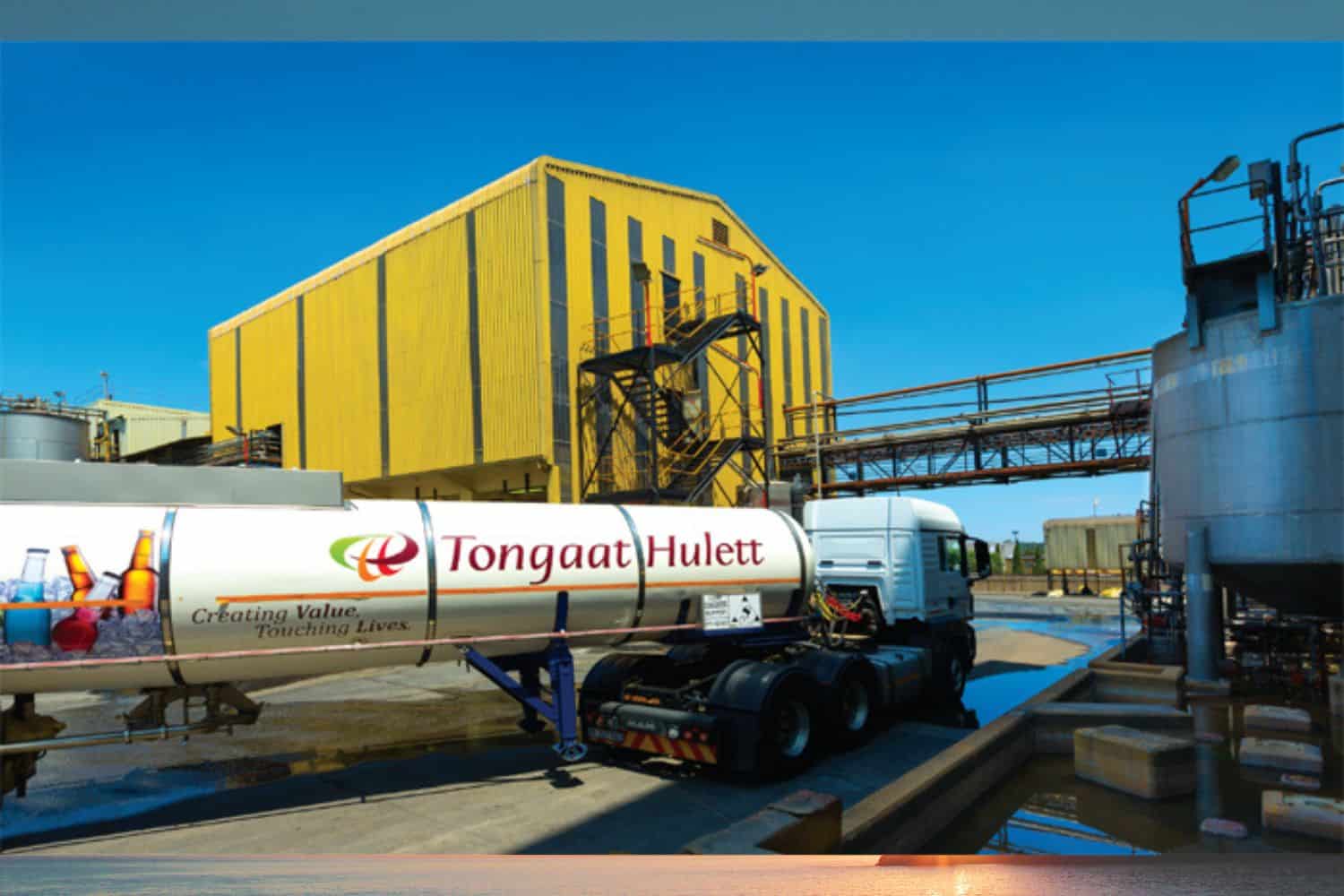

The long-running legal battle over Tongaat Hulett’s business rescue suffered another twist after the KwaZulu-Natal High Court in Durban dismissed an application by RGS Group Holdings to set aside the company’s adopted business rescue plan.
In a judgment delivered on Friday, Judge Singh ruled that RGS could not pursue a fresh application because substantially the same matter was already pending before the court.
The court upheld a legal point known as lis alibi pendens, which prevents parties from litigating the same dispute in parallel proceedings.
ALSO READ | Our Viewpoint | Tongaat Hulett
Judge Singh found that RGS had already launched an application in November 2024 challenging the legality of the Vision business rescue plan. That application remains pending and has neither been withdrawn nor finalised.
“The point in limine must therefore succeed,” the judge said before dismissing the relief sought by RGS in its counter-application.
The dispute centres on the business rescue plan adopted for Tongaat Hulett in January 2024, under which the Vision Consortium emerged as the successful investor.
RGS sought an order declaring the Vision plan unlawful and setting it aside. It also sought the disclosure of documents relating to the Vision Group’s funding arrangements and asked the court to enforce an earlier disclosure order while an appeal remained pending.
However, the Vision Group and Tongaat Hulett’s business rescue practitioners argued that RGS was attempting to relitigate issues already before the court.
They maintained that the November 2024 application involved the same parties, relied on the same allegations and sought substantially the same relief.
ALSO READ | Tongaat Hulett liquidation averted as IDC and Vision Group seal rescue deal
Judge Singh agreed.
The court found that RGS had failed to identify any new facts or fresh cause of action that justified bringing another application.
Instead, the judge held that allowing both matters to proceed simultaneously would duplicate litigation, waste judicial resources and risk conflicting judgments.
“I am satisfied that the relief sought in both applications is substantially the same,” the judgment reads.
The court also dismissed RGS’s request to compel the disclosure of agency agreements and other documents linked to the Vision Group’s funding.
Judge Singh found that RGS had failed to establish a legal entitlement to the documents and that an independent facility agent had already confirmed there was no impediment to implementing the business rescue transactions.
RGS further sought an order allowing the execution of an earlier disclosure ruling despite a pending appeal.
ALSO READ | Hope grows for Tongaat Hulett rescue ahead of court showdown
The court refused, finding that RGS had failed to prove exceptional circumstances or show that it would suffer irreparable harm if the order was not granted.
By contrast, the judge held that forcing disclosure while an appeal remained pending could cause irreparable harm to the Vision Group because confidential documents could never be “undisclosed” if the appeal ultimately succeeded.