Opinion | Compromising free choice
"An election can be conducted peacefully and efficiently, yet still fail to meet the broader standards of fairness and freedom."

As we move closer to the local government elections in November, political parties are intensifying their campaigns, with communities being mobilised and candidates positioning themselves as the best representatives of the people.
After the elections, much attention will be paid to whether the elections were free and fair. In evaluating whether the elections were free and fair, we tend to neglect several important factors which should be taken into account.
Traditionally, elections are considered free and fair if there is no vote-rigging, ballot stuffing, voter intimidation, violence or manipulation of election results. While these factors are undoubtedly important, they do not provide a complete picture of what constitutes a genuinely free and fair electoral process.
ALSO READ | ANC seeks divine intervention ahead of KZN Local Government elections
An election can be conducted peacefully and efficiently, yet still fail to meet the broader standards of fairness and freedom.
To assess whether citizens were genuinely able to exercise their democratic rights, one must also examine the social and economic conditions under which they made their electoral choices. One of the most overlooked factors is education.
Democracy assumes that citizens are capable of evaluating competing ideas, policies and leadership qualities before making informed decisions. This assumption becomes problematic in societies where significant portions of the population struggle with literacy.
A voter who cannot read political party manifestos, policy documents or election material is placed at a disadvantage. The inability to access and understand information limits the freedom of choice that democracy seeks to guarantee.
ALSO READ | IEC launches voter education campaign ahead of local elections
It raises an uncomfortable but necessary question: Can a person truly participate freely in an election if they are unable to access the information required to make an informed decision? Closely linked to educational challenges is the issue of information poverty.
In an increasingly digital world, access to information has become a critical component of democratic participation. Political debates, policy announcements, investigative reports and government performance assessments are often disseminated through digital platforms.
But millions of South Africans continue to face barriers to internet access. Data remains expensive for many households, while some communities still lack reliable digital infrastructure.
ALSO READ | IEC launches app as 2026 local government elections approach
As a result, large numbers of citizens are disconnected from important political developments both nationally and internationally.
Information poverty creates an uneven playing field given that those with access to diverse sources of information can compare competing political messages and evaluate claims made by candidates. Those without such access depend exclusively on campaign rhetoric or local political networks for information.
Material poverty presents another challenge to the notion of free and fair elections. Across South Africa, millions of citizens continue to struggle with unemployment, hunger and economic insecurity. In such circumstances, immediate survival often takes precedence over longterm policy considerations.
The fact that election campaigns frequently feature promises of food parcels, temporary jobs, cash or other forms of material assistance, shows that parties are well aware of this reality.
ALSO READ | Opinion | South Africa’s revolving ministers
While some of these interventions may be presented as acts of goodwill, they often blur the line between genuine community support and political inducement.
A voter who supports a political party primarily because of a promised grocery parcel is not exercising the same degree of freedom as a voter who makes a choice based on a careful assessment of policies and governance records.
This does not mean poor people are incapable of making rational political decisions. Many voters, rich or poor, have remarkable political awareness. However, it would be dishonest to ignore the extent to which economic hardship can influence political behaviour.
The challenge for democratic societies is to recognise that extreme poverty undermines the conditions required for fully free electoral participation. The same principle applies to political patronage and dependency.
ALSO READ | Msunduzi avoids questions about Scopa appearance
In communities where access to jobs, housing opportunities and social support is perceived to depend on political loyalty, voters may feel compelled to support a particular party regardless of their personal preferences.
Such pressure may not involve direct intimidation, yet it still compromises electoral freedom. If democracy is to be meaningful, citizens must be able to vote without fear, without coercion and without dependence on political benefactors.
A society characterised by widespread illiteracy, information inequality and extreme poverty cannot simply declare its elections free and fair because ballot boxes are secure and voting stations are peaceful.
True electoral freedom requires more than procedural integrity. It requires social conditions that enable citizens to make informed and independent choices.
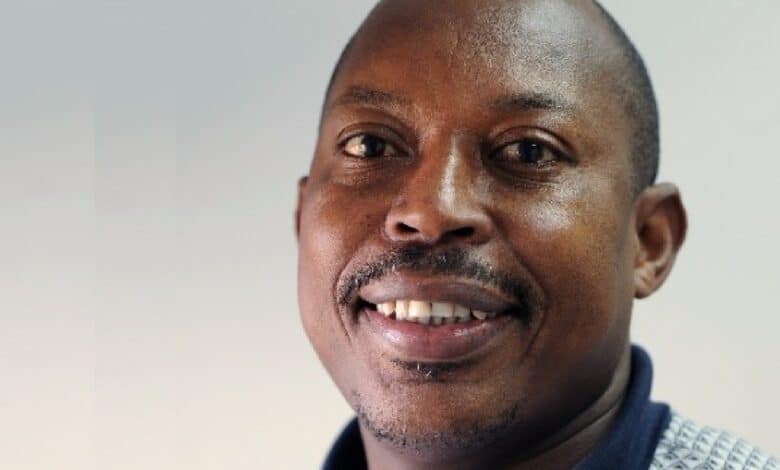
Clive Ndou is the political editor of The Witness.