Lamola orders probe into envoy’s role in Zuma-Gupta meeting in India
Ajay Gupta and his brother Rajesh remain fugitives from South African justice after extradition efforts failed

International Relations and Co-operation Minister Ronald Lamola has ordered an investigation into the conduct of South Africa’s High Commissioner to India, Anil Sooklal, following his involvement in former president Jacob Zuma’s controversial meeting with fugitive businessman Ajay Gupta.
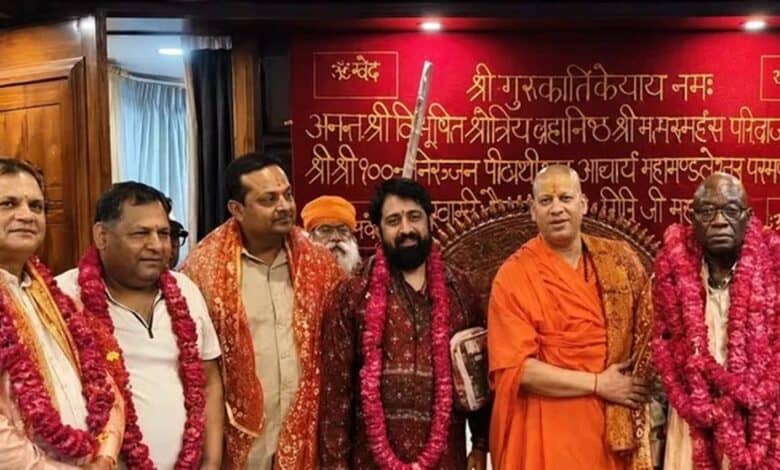
The probe comes after photographs emerged showing Zuma, who is also leader of the MK Party, together with Gupta and Sooklal at the Sidipeeth Shri Dakshin Kali Temple in Haridwar during Zuma’s recent visit to India.
The meeting has sparked outrage within the government, with senior ministers questioning how a South African diplomat became involved in facilitating an engagement between a former head of state and a man wanted by South African authorities.
ALSO READ | Kathrada Foundation questions diplomat’s presence at Zuma-Gupta gathering
Ajay Gupta and his brother Rajesh remain fugitives from South African justice after extradition efforts failed. The pair face charges linked to state capture, which allegedly flourished during Zuma’s presidency.
Minister in the Presidency Khumbudzo Ntshavheni confirmed that Lamola had requested a detailed report from Sooklal on the circumstances surrounding the meeting.
The government, Lamola said, viewed the matter seriously, warning that “drastic steps” would be taken should the investigation find that diplomatic protocols or government policy had been breached.
Ntshavheni described the images of Zuma and Sooklal with Gupta as deeply disturbing, saying they projected the wrong message at a time when South Africa continues to pursue accountability for state capture.
It is very disturbing that a former state president can openly and unapologetically show the middle finger to South Africans.
“We have lost a lot of money through the Gupta brothers’ shenanigans in our country,” she said.
Further, Ntshavheni said, the government was reviewing the diplomatic and logistical privileges extended to former presidents, including Zuma, amid concerns that such benefits should not be used in ways that undermine the country’s laws or foreign policy.
While former presidents were entitled to certain state-supported travel arrangements, Ntshavheni said, the Department of International Relations and Co-operation was not routinely provided with detailed itineraries for their private international visits.
In his interview with journalists during his visit to India, Zuma accused the South African government of driving the Guptas out of the country.
Zuma’s continued active participation in politics, Lamola said, complicated the traditional diplomatic courtesies afforded to former heads of state.
ALSO READ | IEC heads to Nkandla to meet Jacob Zuma ahead of elections
The government, Lamola said, needed to assess what Zuma’s political activities meant for South Africa’s foreign policy, particularly because the MK Party often advances positions that differ from those of the government.
“It was a bit easier in the past when former presidents were no longer active in politics. “It is clear now that former president Zuma is active in politics. What does it mean for our foreign policy?
“His party has a different perspective, so these privileges are not just about diplomatic facilitation but also have domestic implications,” he said.