
Warning over weight-loss injections sold online as demand surges
South Africans are warned that medicines obtained outside recognised healthcare channels may not have undergone the rigorous testing required by SAHPRA.
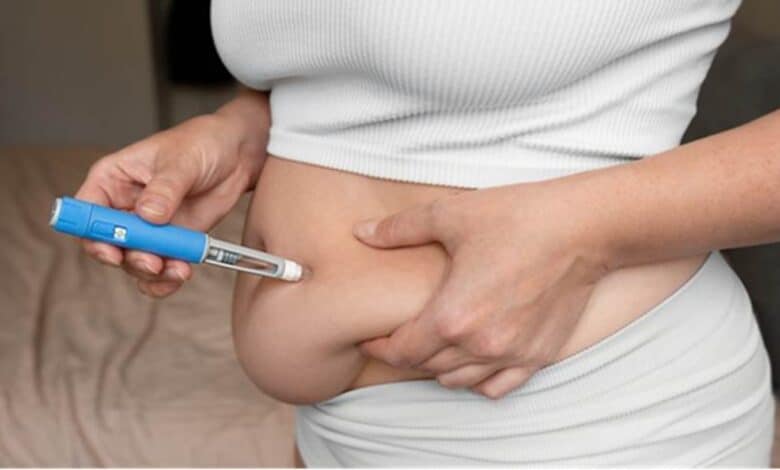

South Africans considering injectable weight-loss medicines such as semaglutide are being urged to consult healthcare professionals and ensure the products they use are registered with the South African Health Products Regulatory Authority (Sahpra), amid growing concerns over unregistered medicines being sold through informal channels.
The warning comes as demand for injectable weight-loss treatments continues to rise, with experts cautioning that consumers are increasingly being exposed to products promoted online, through social media and wellness platforms that may not meet the country’s regulatory standards.
While semaglutide has attracted widespread attention for its ability to help with weight loss, experts stress that not every product marketed under that name offers the same safety or quality assurances.
ALSO READ | Pietermaritzburg aesthetic physician offers a new weight loss solution
According to Cindi Benjamin, Pharmacovigilance and Compliance Pharmacist at Pharma Dynamics, the concern is not with semaglutide itself, but with products that have not been reviewed or approved through South Africa’s regulatory system.
“Patients may assume that all products marketed as semaglutide are equivalent, but that is simply not the case,” Benjamin said.
“A Sahpra-approved medicine has undergone extensive evaluation for quality and efficacy. With unregistered products, there may be uncertainty around ingredients, sterility, potency, storage conditions and dose accuracy. These are particularly important considerations for injectable medicines.”
Semaglutide was originally developed to help people living with Type 2 diabetes manage their blood sugar levels, but has since become increasingly popular for weight management.
However, Benjamin said there are currently no registered generic semaglutide products available in South Africa, although more pharmaceutical companies are expected to enter the market in the future, expanding access to registered alternatives.
She warned that medicines obtained outside recognised healthcare channels may not have undergone the rigorous testing required by Sahpra.
Before approving a medicine, Sahpra assesses evidence relating to its quality, safety and effectiveness. Manufacturers must provide information on ingredients, manufacturing processes, quality controls, labelling, stability and clinical data. Injectable medicines are also evaluated for sterility, purity, dose consistency and cold-chain storage requirements.
International regulators have also raised concerns about compounded and unregistered semaglutide products, citing potential risks including incorrect dosing and inadequate clinical oversight.
ALSO READ | Local mother and son team make their mark in weightlifting
Benjamin said consumers should be particularly cautious of products advertised on social media or sold by unauthorised online retailers.
“Patients may be attracted by lower prices or easier access, but they should first confirm that the product has undergone formal assessment for quality and efficacy, and that it can be appropriately traced and monitored should a safety concern arise,” she said.
Healthcare professionals recommend that patients:
- Only use semaglutide prescribed by a registered healthcare professional.
- Confirm with their pharmacist that the medicine is registered with Sahpra.
- Avoid purchasing injectable weight-loss medicines through social media or unverified online platforms.
As interest in weight-loss injections continues to grow, experts say people should prioritise safety over convenience and seek medical advice before starting treatment, rather than relying on products from unverified sources.