
Conservation giant Dr Michael ‘Gus’ Mills dies, leaves lasting legacy
The EWT announced his passing, describing Mills as a pioneer of African carnivore conservation and a key figure in the its history.
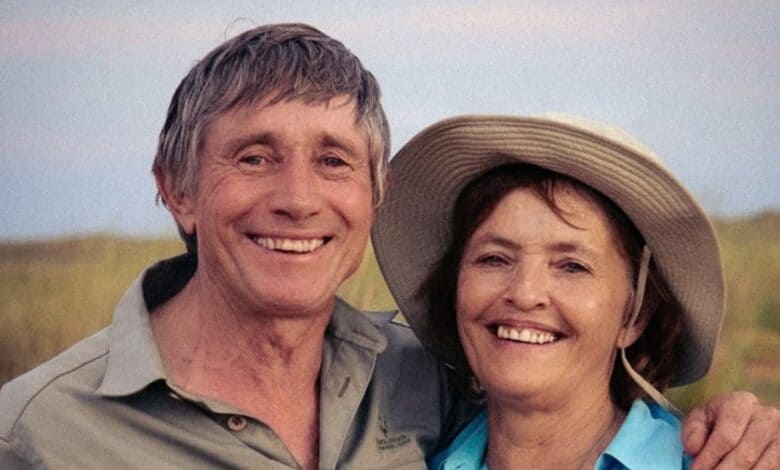

Dr Michael “Gus” Mills, one of Africa’s foremost carnivore conservationists, whose research transformed the understanding and protection of the continent’s iconic predators, has died.
The Endangered Wildlife Trust (EWT) announced his passing this week, describing Mills as a pioneer of African carnivore conservation and a key figure in the organisation’s history.
ALSO READ | WATCH | Hope grows for Africa’s wild dogs
“As the founding head of our Carnivore Conservation Group in 1996, Gus helped lay the foundations for the work carried forward by our Carnivore Conservation Unit,” the EWT said.
“His research, leadership and lifelong dedication to lions, cheetahs, African wild dogs and hyenas influenced generations of conservationists across Africa and beyond.”
His legacy lives on through the people he inspired, the knowledge he shared and the conservation programmes he helped set in motion. We extend our deepest condolences to his family, friends and colleagues. Rest in peace, Gus. Your contribution to Africa’s carnivores and to conservation will never be forgotten.
Over a career spanning more than 40 years, Mills became internationally recognised as one of the world’s leading authorities on African carnivores.
His research into lions, cheetahs, African wild dogs and hyenas helped shape conservation planning and park management across the continent.
ALSO READ | EWT revives nationwide crane census, urges citizen participation
He served on the Kruger National Park Conservation Management Committee between 1989 and 2006, helping develop management plans for the Kruger and Kgalagadi national parks.
His work also contributed to Kruger National Park moving away from elephant culling and adopting a more ecosystem-based approach to conservation.
Mills founded the EWT’s Carnivore Conservation Group, supervised postgraduate students at the University of Pretoria and Oxford University, served on several International Union for Conservation of Nature (IUCN) specialist groups, and published more than 150 scientific papers, alongside several acclaimed books on African wildlife, according to St John’s College, which awarded him the Golden Eagle Award.
He also pioneered one of South Africa’s first citizen science initiatives by using tourists’ photographs to monitor wild dog and cheetah populations in the Kruger National Park.
His contributions earned numerous honours, including the Southern African Wildlife Management Association’s Wildlife Excellence Award in 2016 and the Golden Eagle Award in 2023.
Even after retiring, Mills remained active in research and mentorship, returning to the Kalahari for a long-term cheetah study with his wife, Margie, and supporting the development of young conservation scientists.
ALSO READ | Nature loses one of its fiercest champions as Janine Stephen dies
Tributes have poured in following the news of his death.
The Africa Range Wide Cheetah Conservation Initiative said: “Our heartfelt condolences go out to the Endangered Wildlife Trust team and all who were touched by Dr Michael Mills’ vision and dedication. His legacy will continue to guide and strengthen conservation across Africa.”
Wildlife filmmaker Hildegarde Noffke Webber, who worked with Mills during his predator research in the 1980s, said: “So very sad to learn of Gus’s passing. Dr Mills had a wealth of knowledge and was kind, thoughtful and had a good sense of humour during our year-long shoot. My sincere condolences to his family and friends.”
Lane Rollo, who met Mills while he was conducting hyena research in the Kalahari in the early 1970s, wrote: “Wonderful people. Conservation and predator research has lost an icon. Condolences to Margie and family. RIP Gus.”