Frontline health workers drive India’s healthcare turnaround
Among the survey's key findings was that India has achieved near-universal electrification and made major gains in access to basic amenities

India has recorded significant improvements in maternal and child healthcare, women’s empowerment and access to basic services, according to the findings of the sixth round of the National Family Health Survey (NFHS).
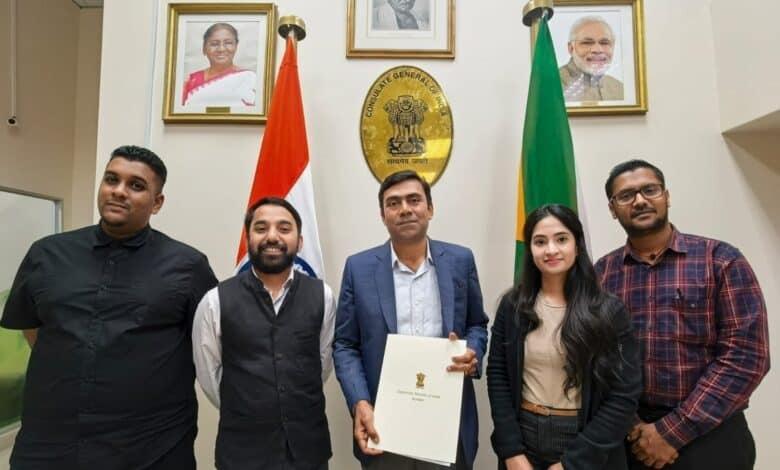
The findings were released last Thursday by Niteen Subhash Yeola, Consul-General of India in Durban, during a press briefing at the Consulate’s offices in Durban.
The survey, conducted during 2023-24, was carried out by the International Institute for Population Sciences (IIPS) in Mumbai and covered 679 000 households and more than 700 000 women across 715 districts in India.
ALSO READ | Sooliman calls for rethink on public-private healthcare ties
It provides insights into key areas, including maternal and child health, nutrition, fertility, family planning, immunisation, non-communicable diseases and women’s empowerment.
Among the survey’s key findings was that India has achieved near-universal electrification and made major gains in access to basic amenities.
It also found that women’s empowerment has strengthened significantly, the country’s demographic transition has stabilised, maternal and child healthcare indicators have reached historic highs, the digital divide has narrowed dramatically and gender-based violence indicators have improved.
One of the key programmes credited with contributing to these improvements is the Accredited Social Health Activist (Asha) programme.
Ashas are India’s frontline rural health workers. They are women between the ages of 18 and 45, from local communities, who are trained and paid by the government to assist with maternal and child healthcare, including childbirth and women’s health services.
“Our network of more than 1,03 million Ashas is the primary driver behind early registration. By utilising the Mother and Child Digital Tracking System to actively monitor missed antenatal care visits, they transform a passive service model into active community outreach,” Yeola said.
ALSO READ | Appeal not to disrupt healthcare services during protests
Yeola said large-scale national surveys such as the NFHS play a critical role in informing policy formulation and planning by facilitating the early identification of emerging challenges, assessing the impact of interventions, and monitoring key social, demographic and health indicators across the country.
Overall, the findings reaffirm India’s steady progress towards achieving universal health coverage and the sustainable development goals.
“With continued focus on inter-sectoral convergence, strengthened last-mile service delivery and inclusive development, India is well positioned to consolidate these gains and advance the health and wellbeing of its population,” Yeola said.